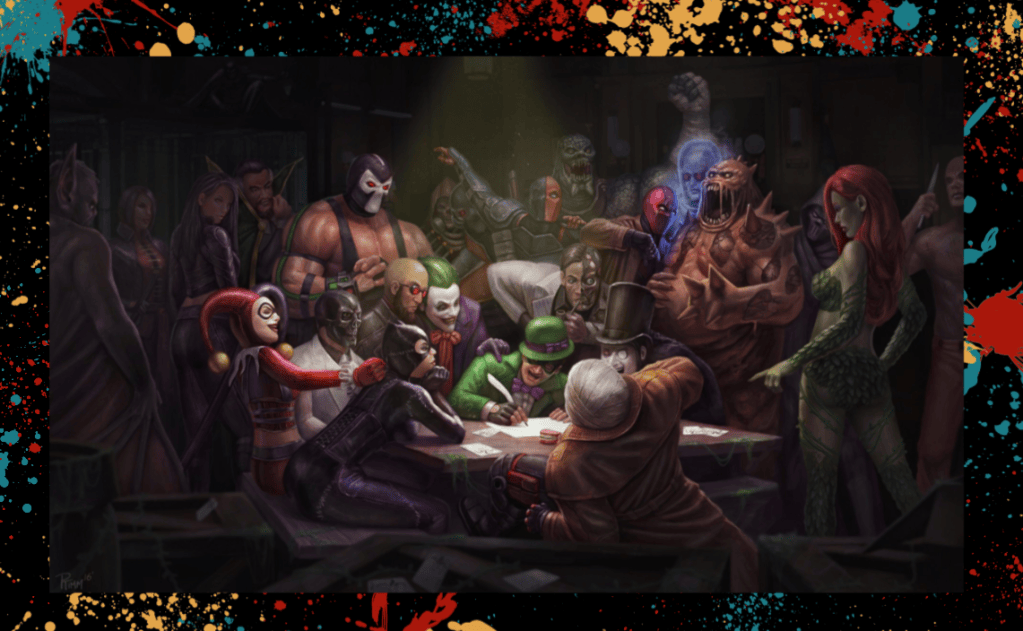
Batman is arguably one of the most iconic superheroes in the comic book universe. His popularity has only grown over the past 87 years, thanks to various shows and movies. Batman first appeared in Detective Comics #27 on March 30, 1939. Through the years, the writers of Batman comics have created his infamous rogues’ gallery. This is one of the best-known and most loved collections of villains in comic history. In the first official blog post of Anarchy Comics and Collectibles, we highlight the top 10 most iconic Batman villains of all time. While this list probably includes everyone you’re thinking of, let’s dive in anyway!

Catwoman
Created by Bob Kane & Bill Finger
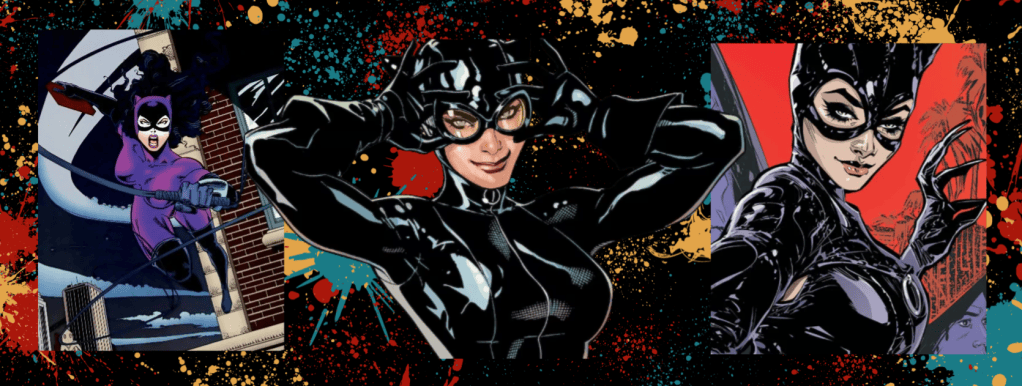
Kicking off our list at number 10 is Selina Kyle, better known as Catwoman. She first appeared on April 25, 1940, in Batman #1. From the beginning, she has played various roles in Batman’s life, transitioning from a villain to an anti-hero over the years. Her backstory has been further developed, with writers giving her a sympathetic narrative-because who wouldn’t want that?

There are many reasons why Catwoman ranks at number 10. One significant aspect is the romantic connection between Catwoman and Batman. With the launch of DC Rebirth in June 2016, their love story really developed, presenting a classic trope of enemies becoming lovers. In Batman (vol.3) #24, Bruce proposes to Selina, and in issue #32, Selina asks him to propose again, to which she clearly says yes. Their relationship has always been tumultuous but tends to draw them back to each other. Many people argue that Selina weakens Bruce’s heart and makes him vulnerable; however, there is genuine love between them. Additionally, she has teamed up with Batman on numerous occasions and does not have any real issues with the city of Gotham.

The main reason she stands out as a better villain when working alongside other villains is that, while she’s a great anti-hero, she isn’t the strongest standalone villain compared to others on this list. For instance, in the series “Gotham City Sirens,” which features the team-up of Catwoman, Poison Ivy, and Harley Quinn, her character ultimately reveals a fear of the dangers in a Gotham City without Batman. This prompts her to seek out allies who could offer protection.

Riddler
Created by Bill Finger & Dick Sprang
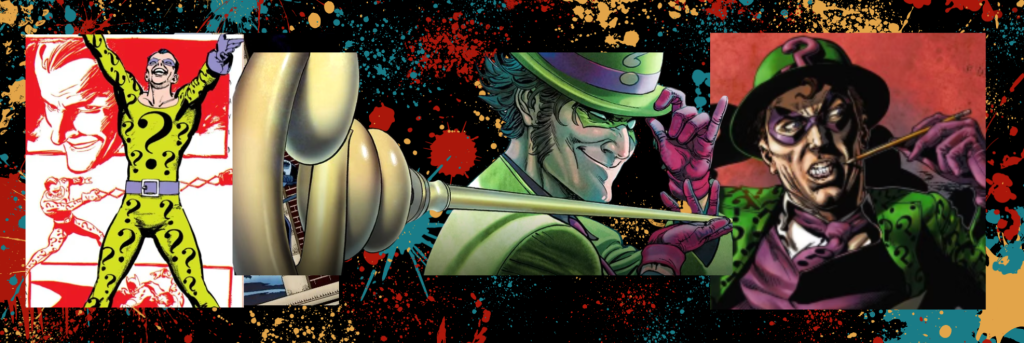
Riddle me this: who has a massive ego, wears a suit adorned with question marks, and has a knack for leaving cryptic clues? Coming in at number 9 is the man in green, the Riddler. He was introduced in issue #140 of Detective Comics in October 1948. A puzzle maker and genius, he is also a master strategist. Edward Nigma’s story began when he was just a kid eager to win a puzzle contest. He ultimately won and received a prize—a riddle book.

Similar to Catwoman, the Riddler tends to work better alongside other villains. A prime example of this is his collaboration with Hush. The Riddler discovered that Bruce Wayne was Batman and devised a plan that exploited one of Batman’s greatest regrets: the loss of Jason Todd. Clayface transformed into the deceased Robin and openly mocked the Dark Knight. However, even though the Riddler possessed the knowledge of Batman’s true identity and threatened to reveal it to the world, Batman viewed it as an empty threat, never fully believing that the Riddler would actually go through with it.

One of the most prominent traits of the Riddler is his genius intellect, accompanied by the ego that comes with it. Batman meticulously studies every aspect of his villains, constantly working to strengthen his body and striving to be the smartest person in the room. However, with the Riddler, that goal can never be achieved. The Riddler challenges Batman to his limits intellectually, presenting riddles and clues that often stump the great detective.

Scarecrow
Created by Bill Finger & Sheldon Moldoff
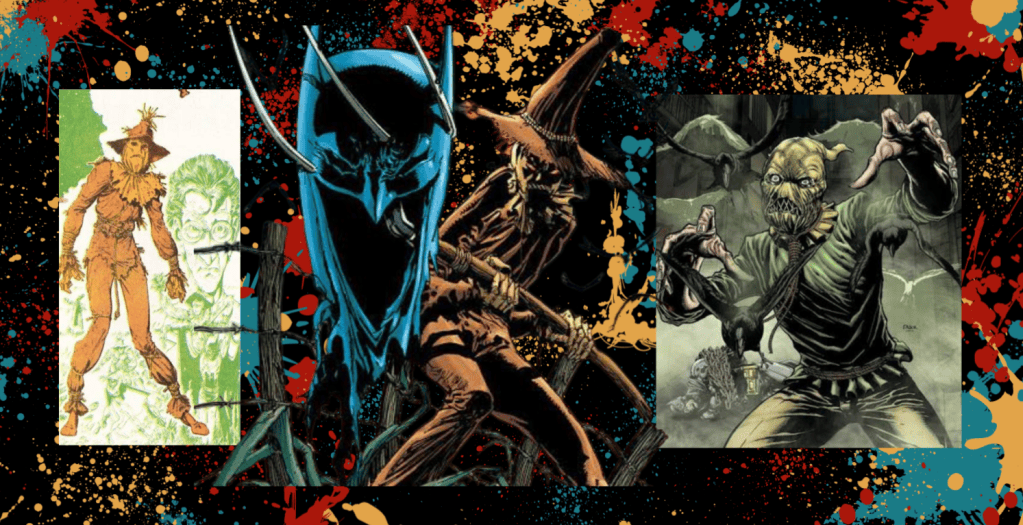
Number 8 on this list is Dr. Jonathan Crane, also known as Scarecrow. He was first introduced in September 1941 in World’s Finest Comics #3. As “The Master of Fear,” he created a hallucinogenic drug that exploits people’s fears against them. Having been terrorized by bullies during his childhood, Scarecrow’s future crimes stem from a sadistic pleasure in haunting others through his experiments.
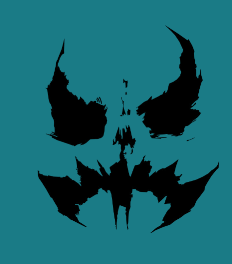
Scarecrow’s strengths do not come from physical fighting but rather from his ability to manipulate psychology. If you didn’t know, Batman carries a lot of deeply rooted pain from the loss of his parents and his inability to save both Barbara Gordon and Jason Todd from harm. Anyone with such deep-seated pain would be an ideal subject for Scarecrow’s experiments. Scarecrow is a master manipulator, and his expertise in toxins, anxiety disorders, and psychoactive drugs is unmatched in the DC Universe.
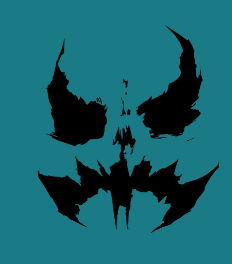
The thing about Scarecrow is that he is a villain who can work either alone or as part of a group and still be effective. In the New 52, his original backstory was altered to make it even darker. In this version, he ends up stabbing one of his students to death. He later teams up with Bane to create and distribute a venom-infused fear toxin to the inmates at Arkham. His toxins have caused chaos over the years, even affecting some of the strongest heroes, including Superman. Scarecrow is a manipulative mastermind who has become one of Batman’s most iconic villains. However, the main reason he ranks lower on this list is the question: what makes him iconic—the man himself or the product he creates?

Penguin
Created by Bill Finger & Bob Kane
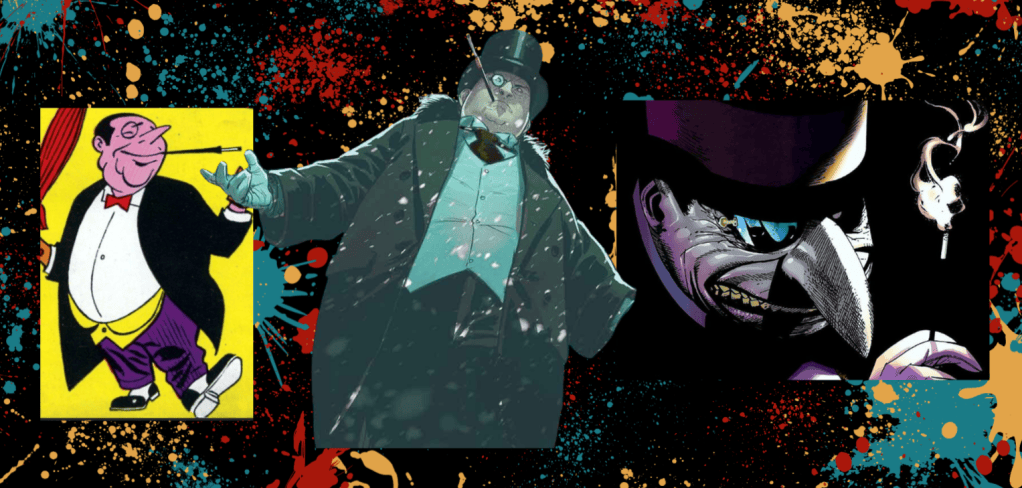
Oswald Chesterfield Cobblepot, also known as the Penguin, ranks at #7. This unique and recognizable mob boss was created in December 1941, debuting in Detective Comics #58. He embodies the saying “don’t judge a book by its cover.” Designed to appear comical, he is portrayed as a shorter, overweight man who prefers formal attire, including a top hat and a monocle. However, the Penguin is a master criminal and poses a real threat in hand-to-hand combat, employing skills from fencing, judo, jiu-jitsu, and even bare-knuckle boxing. What sets him apart from many of Batman’s other villains is that he is completely in control of his actions and does not suffer from any psychological issues.

Corruption in a city like Gotham often leads individuals to seek wealth and power. The Penguin is determined to acquire as much power as possible. Ultimately, he became a businessman, running a nightclub called the Iceberg Lounge, which serves as an excellent cover for his illegal activities. Despite his significant wealth and influence, the Penguin has repeatedly failed to infiltrate the political world, even attempting to invest money in expensive elections. This likely didn’t sit well with his well-known short temper. Furthermore, he relies on his cunning wit and intimidation tactics to exploit people and resources for his profit.

Many people might rank the Penguin higher on this list, and perhaps he deserves to be. However, the villains who are ranked above him have more iconic storylines. It took several reboots of this character to make him the iconic villain he is today. Initially, he was created as a joke and served as comic relief, stealing bird-shaped loot while resembling a bird. This might explain the lack of iconic storylines associated with him, but it’s hard to say for sure.

Ra’s Al Ghul
Created by Dennis O’Neil, Neal Adams & Julius Schwartz
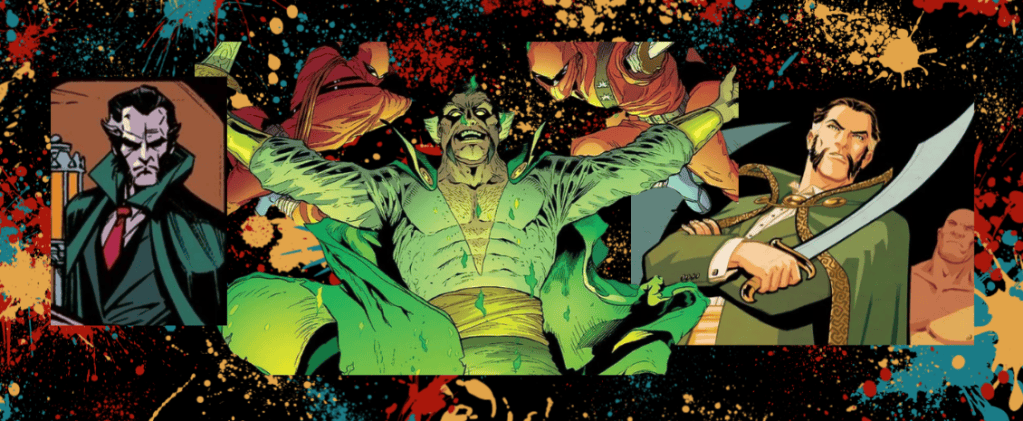
The leader of the League of Assassins, Ra’s al Ghul, holds the number six spot on this list of villains. Ra’s al Ghul made his first appearance later than most characters featured here; he was introduced in June 1971 in Batman #232. As an international criminal mastermind, his ultimate goal is to eliminate a significant portion of humanity to achieve environmental balance. You could say he is similar to Thanos in “Endgame” if you’re looking for a connection to movies or Marvel.

What makes Ra’s Al Ghul unique is that he is over 600 years old, thanks to the Lazarus Pit. Over his long life, the leader of the League of Assassins increasingly came to despise humanity, believing that people were ultimately destroying the world’s natural beauty. As his hatred grew, he ventured down the path of eco-terrorism. With the extensive knowledge he accumulated over the centuries, he developed proficient skills in chemistry, physics, military tactics, economics, and martial arts. Through his enduring international connections, Ra’s Al Ghul built an empire that poses significant challenges for Batman.

One of the best attributes of Ra’s Al Ghul is that he serves as a reflection of Batman, albeit without Batman’s restraint or moral compass. Everything Ra’s Al Ghul does is aimed at creating a better world in his own sense. I believe Ra’s Al Ghul recognizes this as well. He refers to Batman not just by his superhero name but as “the detective,” which shows a level of respect. Additionally, since he is the grandfather of Damian Wayne, Batman’s son, there must be some degree of respect for Batman in that relationship.

Poison Ivy
Created by Carmine Infantino, Robert Kanigher, & Sheldon Moldoff
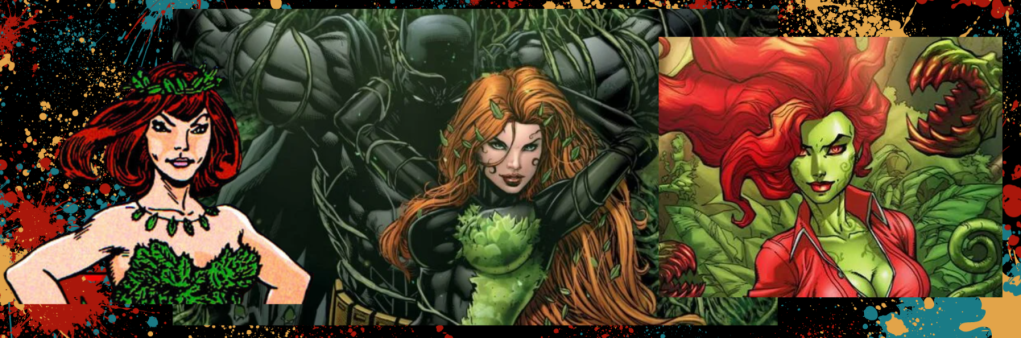
Pamela Lillian Isley, also known as Poison Ivy, ranks 5th amongst Batman’s most iconic villains. She first appeared in the comic book world in June 1966 in Batman #181. As a botanist who is deeply committed to protecting nature, she often finds herself in conflict with Batman. While some may see her as an anti-hero, her criminal actions in the name of a good cause do not necessarily make her a hero. This is particularly evident in her self-description as an “ecoterrorist of global importance.”

The power she possesses is truly unique to her. She is the bearer of a gifted connection to The Green, an interplanetary force that grants her control over plant life. Her abilities include transferring poison through touch, being immune to poisons and toxins, and projecting mind-controlling pheromones. These pheromones can influence anyone in the world, including the formidable members of the Justice League. When plants are in danger, she disregards human laws and lives. With this mindset, she has, on multiple occasions, attempted to destroy Gotham City to allow nature to take its course.

What truly makes Poison Ivy one of the top five iconic villains is the dynamic she brings to the story. Before her, characters like Catwoman existed, but Poison Ivy introduced a strong female presence that was rare in Batman comics and comics in general at the time. She was created to embody strength, intelligence, and allure. Her character was designed to captivate audiences both within the comics and among readers outside of them.

Mr. Freeze
Created by Dave Wood, Sheldon Moldoff, Bob Kane & Max Hodge
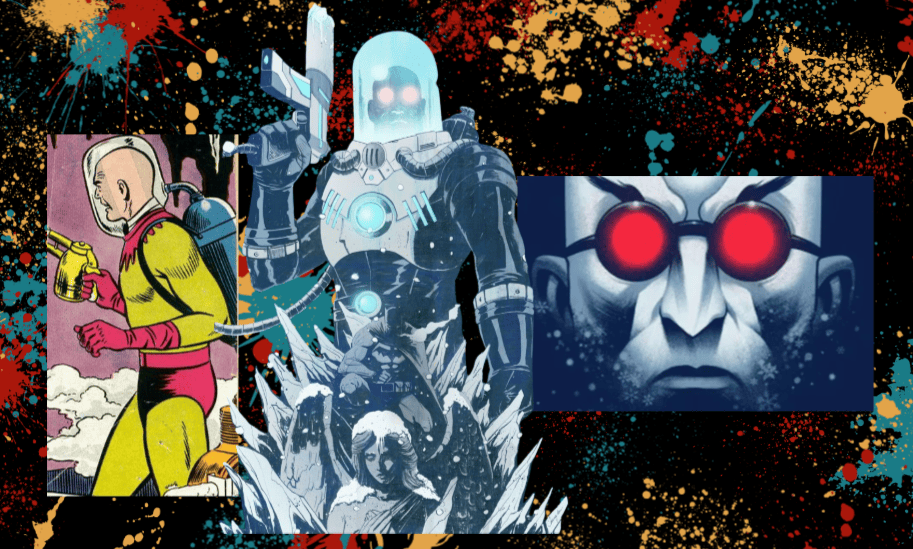
Out of everyone on this list, Mr. Freeze, coming in at number 4, may be the most controversial choice, but here we are. The character, originally named Mr. Zero, was created for Batman #121 in February 1956, which is quite fitting for a character associated with cold. His name was changed to the iconic Mr. Freeze in February 1966. Mr. Freeze was later reinvented with a familiar backstory in 1996. He is portrayed as a scientist who suffers a tragic laboratory accident while attempting to save his terminally ill wife, Nora. After this accident, he turns to crime in order to fund his research and find a cure for her.

Most Batman villains focus on a specific theme. For example, Poison Ivy is centered around plants, Catwoman is associated with burglary, and Ra’s Al Ghul focuses on environmental balance. Mr. Freeze is no different; his theme revolves around cold, ice, and snow. After his accident, his body must remain at sub-zero temperatures to stay alive. This gives him the unique ability to freeze everything he touches. He can generate ice around himself, encase someone in ice with a touch, and, in some instances, create sub-zero temperatures in his immediate vicinity. He is also a scientific genius and ultimately ended up in a cryogenic suit. The combination of his suit and intellect has led to the creation of technologically advanced inventions that can only be compared to those of Lex Luthor.

So why is he ranked so high on this list? The answer is quite simple: he embodies the essence of a Batman villain. It is very rare to see him outside of a Batman comic. In terms of media, the 1998 film “Batman & Mr. Freeze: SubZero” is extremely popular and tells a unique story in which Batman struggles to find Barbara Gordon before Mr. Freeze can use her plasma to rejuvenate Nora. He is a natural disaster trapped in a suit, with an intelligence that matches or even surpasses Batman’s. For these reasons, he has been named fourth on this list.

Two-Face
Created by Bob Kane
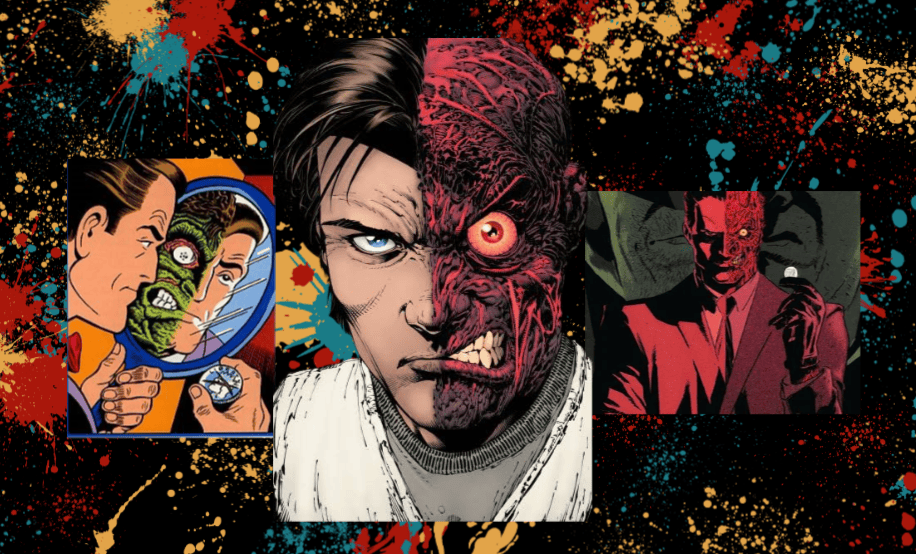
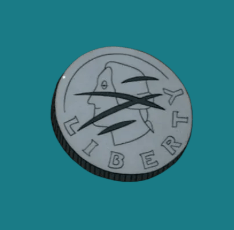
Former District Attorney Harvey Dent ranks as the third most iconic villain. Known as Two-Face, he first appeared in issue #66 of Detective Comics in 1942. This iconic villain became a criminal mastermind obsessed with duality. Although his decision-making process involves flipping a coin—which might not be the best approach in my opinion—and he suffered significant psychological trauma from having acid thrown on one side of his face, he has emerged as one of Batman’s most memorable adversaries. Two-Face has also made notable appearances on the big screen, including in “Batman” in 1989, “Batman Forever” in 1995, and most prominently in “The Dark Knight” in 2008.
Even though he has no superpowers, he is proficient in martial arts and marksmanship. Formerly the district attorney for Gotham, his background provides him with a solid understanding of criminal law, criminology, and police procedures, which proves useful when he engages in illegal activities. He possesses a brilliant tactical mind, even with his split personality. This creates a uniquely dangerous mastermind who believes in blind justice and challenges Batman to discern what is good or evil.
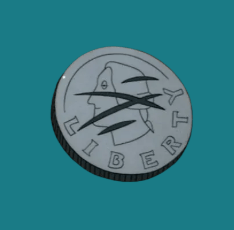
What makes him an iconic villain to Batman is the personal connection he has with Bruce Wayne. Before the devastating accident, Harvey Dent was best friends with Bruce Wayne—not with Batman. He was an ally to Batman and shared a unique bond that sets him apart from other villains. There are many instances where Bruce views Harvey’s descent into crime as a personal failure and never truly gives up on trying to bring him back to the right path. In Detective Comics #1021, it is revealed that the part of Harvey Dent that is psychologically sound knows Bruce is Batman and has kept this secret from Two-Face. Harvey Dent is a ticking time bomb, capable of switching to his Two-Face persona at any moment. What Batman cannot foresee is the flip of the coin that represents Two-Face’s fate.

Bane
Created by Chuck Dixon, Doug Moench & Graham Nolan
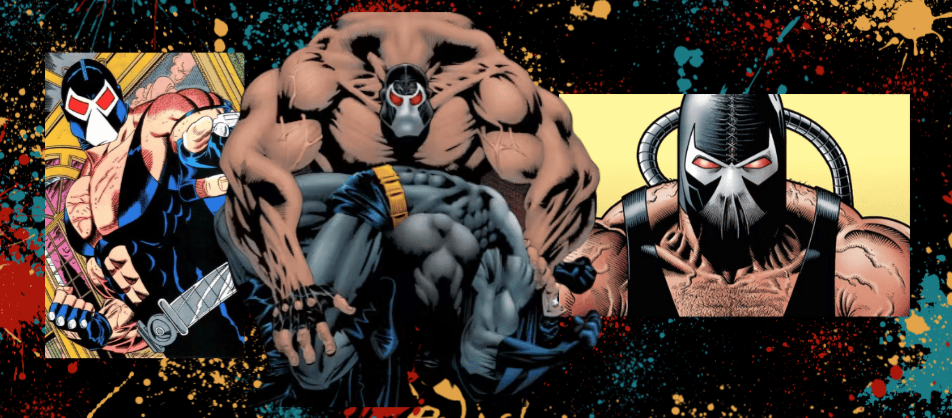
At number 2 is Eduardo Dorrance, also known as Bane. He was first introduced in January 1993 in “Batman: Vengeance of Bane #1,” marking the creation of one of the most iconic villains in the Batman universe over 30 years ago. Bane is characterized by his genius-level intellect, dependence on the super-steroid known as Venom, and his exceptional hand-to-hand combat skills. Raised in prison due to a life sentence served by his father, he was chosen as a test subject for Venom, which ultimately transforms him into Bane. After escaping from prison, he makes his way to Gotham, where he confronts Batman and becomes one of his most formidable foes.

There are many things to say about Bane, but one aspect that truly sets him apart is that his physical strength is not his greatest attribute. His intellect is highly regarded, even by other villains. In the “Bane of the Demon” storyline, Ra’s Al Ghul stated that Bane “has a mind equal to the greatest he has known.” Despite spending most of his life in prison, Bane taught himself almost everything he knows. It certainly helps that he has an eidetic memory, allowing him to vividly recall images with high precision. He can speak ten different languages with ease and is both a strategist and a tactical expert. As if that weren’t enough, Bane has also invented his own meditation and combat techniques.

Bane would indeed be a formidable opponent for Batman. He has been injected with Venom steroids, making him akin to a walking tank with a high level of intelligence. With these steroids coursing through his veins, Bane can lift up to 15 tons, which is truly astonishing.Let’s discuss the pivotal moment that everyone remembers: Bane is famously known as the villain who broke the Bat. He broke the back of arguably the most well-known superhero, placing him in a unique category of villains who have significantly challenged Batman both in terms of strength and intellect. There is only one other villain who has caused more trouble for Batman than Bane.

Batman
Created by Bob Kane & Bill Finger
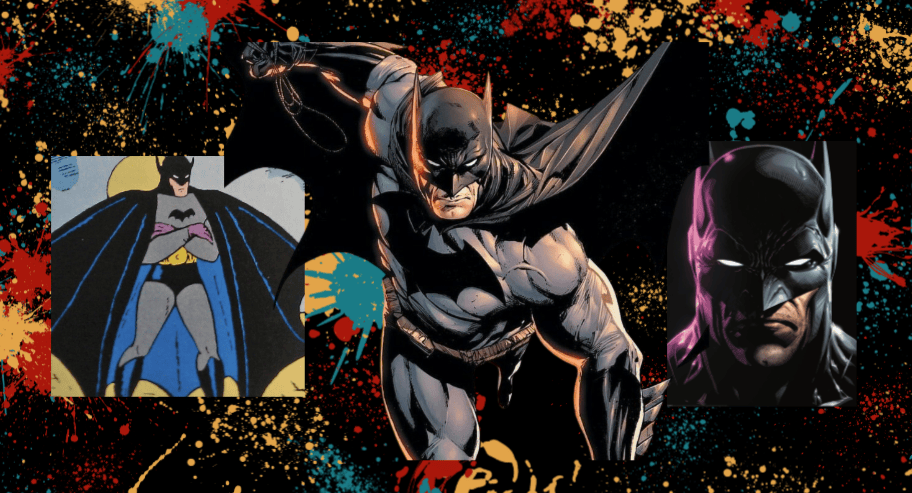
Coming in at number one is obviously Batman himself, HAHA! Over the years, we have learned that Batman is the ultimate hero—a vigilante who cares not only for the people of Gotham but also for the people of the world. He has defined what is right and wrong and takes on the roles of judge, jury, and executioner. Everything we thought we knew about justice is challenged by the concept of Batman, HAHAHAHAHAHAHAHAHAHA!
I’m just playing around with you. The real number one always has been and always will be the Joker. He has been a thorn in Batman’s side since April 25, 1940, in Batman #1. This character, created by Bill Finger, Bob Kane, and Jerry Robinson, is not only number one on this list but arguably one of the most iconic supervillains ever created.The Joker doesn’t have any superpowers, but he commits crimes using razor-tipped playing cards, exploding cigars, a flower that sprays acid, and a lethal joy buzzer, just to name a few. The line between being absolutely crazy and a genius mastermind is often blurred, leaving us unsure of how intellectually sound he truly is.
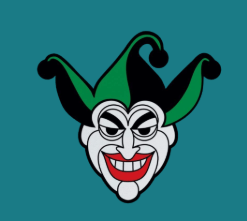
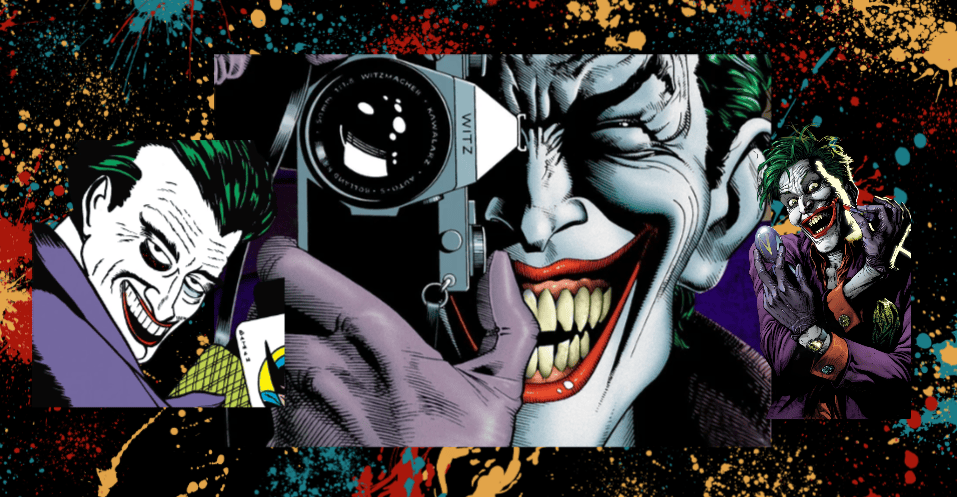
The Joker has created one of the most intriguing storylines in the Batman universe with “Batman: Three Jokers.” This story addresses a popular fan theory: there has never been just one Joker. It draws upon two of the most tragic moments in Batman’s life—Jason Todd’s death in “Batman: A Death in the Family” and the shooting and paralysis of Barbara Gordon in “Batman: The Killing Joke.”The narrative brings together three distinct versions of the Joker: The Criminal (known from the Golden Age), The Clown (from the Silver Age), and The Comedian (from the Bronze and Modern Age). Together, they create a tale of utter chaos that leaves readers wanting more.
Over the years, the Joker’s actions, plans, misdirections, and total chaos have left Batman at his wit’s end. No villain has ever caused as much harm to the Bat Family as the Joker. He has created an enduring impact on Batman, a dynamic that no other villain in either DC or Marvel has been able to replicate. Batman and the Joker are intrinsically intertwined; you cannot have one without the other.
Batman is one of the most well-known comic book characters in history. The Dark Knight has showcased some of the greatest stories over the years. Alongside Batman, his villains have become just as iconic. The rogues’ gallery features a mix of chaos and genius, taking readers on wild adventures. Thank you for reading the first-ever blog of Anarchy Comics and Collectibles!
 Anarchy Comics
Leave a comment